
︎︎︎
What’s keeping corner shop alive? A little bit of STEM for the girlies
by Margarita Brante
edited by Vanessa Torpey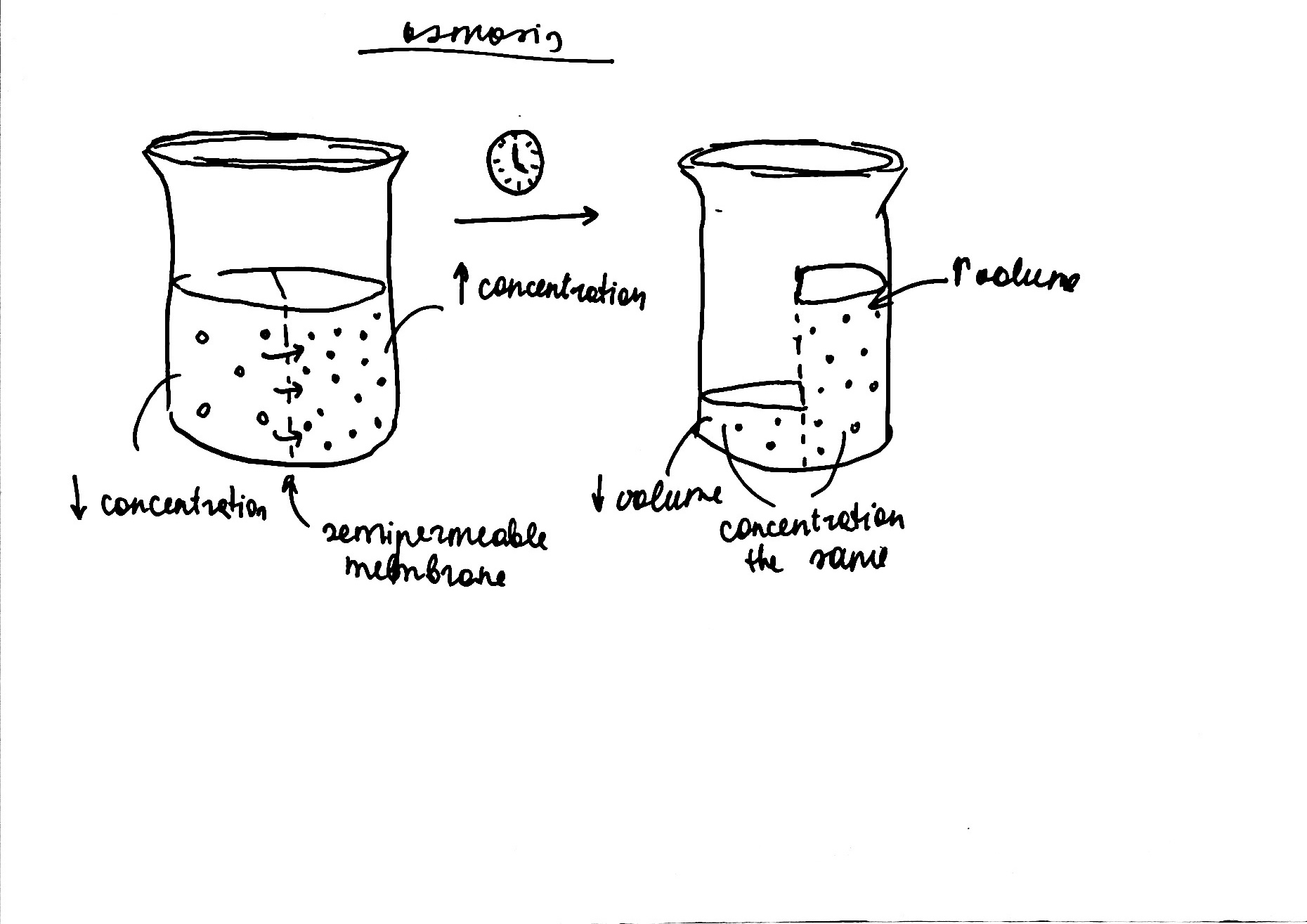
A corner shop is not just a convenient place to grab snacks and essentials; it’s a reflection of our times.
Have you ever bought a vegan, gluten-free, paraben-free, chemical-free vegetable? Not at a corner shop, but perhaps at a farmer’s market—a head of lettuce, maybe? How long did it last? If you were lucky, you ate it that day in a salad and never had to throw any food away. But that’s unlikely.
This is where food preservatives come in—chemicals that save you from food poisoning and keep your Takis tasting the same as they always have. They’re the lifeblood of a corner shop.
How else could decade-old crisps, in packaging that has morphed into something unrecognizable, faded into pastels, still be edible? This long shelf life is thanks to preservatives.
They also help maintain the quality of food, so even though the packaging has degraded, the food remains almost the same as when it was first produced. Food preservatives serve two main functions: inhibiting microbial growth to prevent spoilage and degradation, and preventing oxidation, which can lead to rancidity in fats and oils, affecting safety—and more importantly, the flavor!
First, let’s look at traditional or natural food preservatives—the OGs, if you will. They were the first to be used, and they can teach us a thing or two about why we even bother preserving food in the first place. We’re talking wood smoke, sugar, honey, salt, spices, alcohol, vinegar, and vegetable oil—basically, all the stuff that keeps food tasty.
Salt is one of the oldest and most widely used natural preservatives. Ancient civilizations such as the Greeks, Romans, and Chinese used salt to preserve meat and fish by packing them in salt or creating brines. Salt preserves food by sucking all the water out (tipping my hat to osmosis), lowering the chances of bacteria throwing a party, and basically making it a hostile environment for anything gross to grow. Think of salt as the bouncer of the food club.
Early cultures also used honey and sugar to keep their fruits from going bad. The ancient Greeks, for example, would preserve apples in honey, so they could enjoy them all year long. Sugar works its magic by locking up water molecules, leaving bacteria and fungi high and dry without the moisture they need to thrive. On a side note, they say Alexander the Great’s body was preserved in honey during transport for his burial. I guess the greatest warriors need to be kept fresh too.
Have you ever bought a vegan, gluten-free, paraben-free, chemical-free vegetable? Not at a corner shop, but perhaps at a farmer’s market—a head of lettuce, maybe? How long did it last? If you were lucky, you ate it that day in a salad and never had to throw any food away. But that’s unlikely.
This is where food preservatives come in—chemicals that save you from food poisoning and keep your Takis tasting the same as they always have. They’re the lifeblood of a corner shop.
How else could decade-old crisps, in packaging that has morphed into something unrecognizable, faded into pastels, still be edible? This long shelf life is thanks to preservatives.
They also help maintain the quality of food, so even though the packaging has degraded, the food remains almost the same as when it was first produced. Food preservatives serve two main functions: inhibiting microbial growth to prevent spoilage and degradation, and preventing oxidation, which can lead to rancidity in fats and oils, affecting safety—and more importantly, the flavor!
First, let’s look at traditional or natural food preservatives—the OGs, if you will. They were the first to be used, and they can teach us a thing or two about why we even bother preserving food in the first place. We’re talking wood smoke, sugar, honey, salt, spices, alcohol, vinegar, and vegetable oil—basically, all the stuff that keeps food tasty.
Salt is one of the oldest and most widely used natural preservatives. Ancient civilizations such as the Greeks, Romans, and Chinese used salt to preserve meat and fish by packing them in salt or creating brines. Salt preserves food by sucking all the water out (tipping my hat to osmosis), lowering the chances of bacteria throwing a party, and basically making it a hostile environment for anything gross to grow. Think of salt as the bouncer of the food club.
Early cultures also used honey and sugar to keep their fruits from going bad. The ancient Greeks, for example, would preserve apples in honey, so they could enjoy them all year long. Sugar works its magic by locking up water molecules, leaving bacteria and fungi high and dry without the moisture they need to thrive. On a side note, they say Alexander the Great’s body was preserved in honey during transport for his burial. I guess the greatest warriors need to be kept fresh too.
Up next: pickling. Pickling with vinegar goes way back to Babylon around 5000 bc—they were already pickling veggies, fruits, and eggs. The acetic acid in vinegar drops the pH of food, creating an acidic environment that makes it a total no-go zone for microbes. But vinegar wasn’t just about keeping stuff fresh—it was also a flavor booster, as seen today with everyone and their mother in the TikTok/Instagram food sphere pickling red onions for dishes like tacos, poke bowls, and sandwiches.


*An honorable mention to Louis Pasteur, the French microbiologist and chemist who discovered in the 19th century that micro-organisms cause food spoilage. Following this, chemists began isolating and synthesizing compounds with anti-microbial or antioxidant properties to preserve food more effectively.
Drying, as one of the oldest preservation methods, dates back to 12,000 bc in the Middle East. They used it to preserve fruits, fish, and meats by removing moisture. Without water, microbes can’t thrive and the food stays good longer. So, crisps are preserved like in the olden days—by keeping them dry and salty.
I probably don’t have to point out the obvious. All these preservation methods focus on messing with the water content in food. The more water and nutrients something has, the quicker it spoils. Microorganisms need both to survive, so take those away, and they die.
These natural preservation techniques, while effective and historically important, came with their own set of problems. They altered the taste, texture, or nutritional value of food. Too much salt, and it’s inedible. Too dry, and your fruit tastes like leather. Natural methods were also labor-intensive and not exactly practical for mass production or long-term storage. This is
where corner shops come in. Industrialization, urbanization, and global trade required not only a convenient place to buy groceries, but also food that could be preserved for longer periods, at lower cost, and that could travel better.
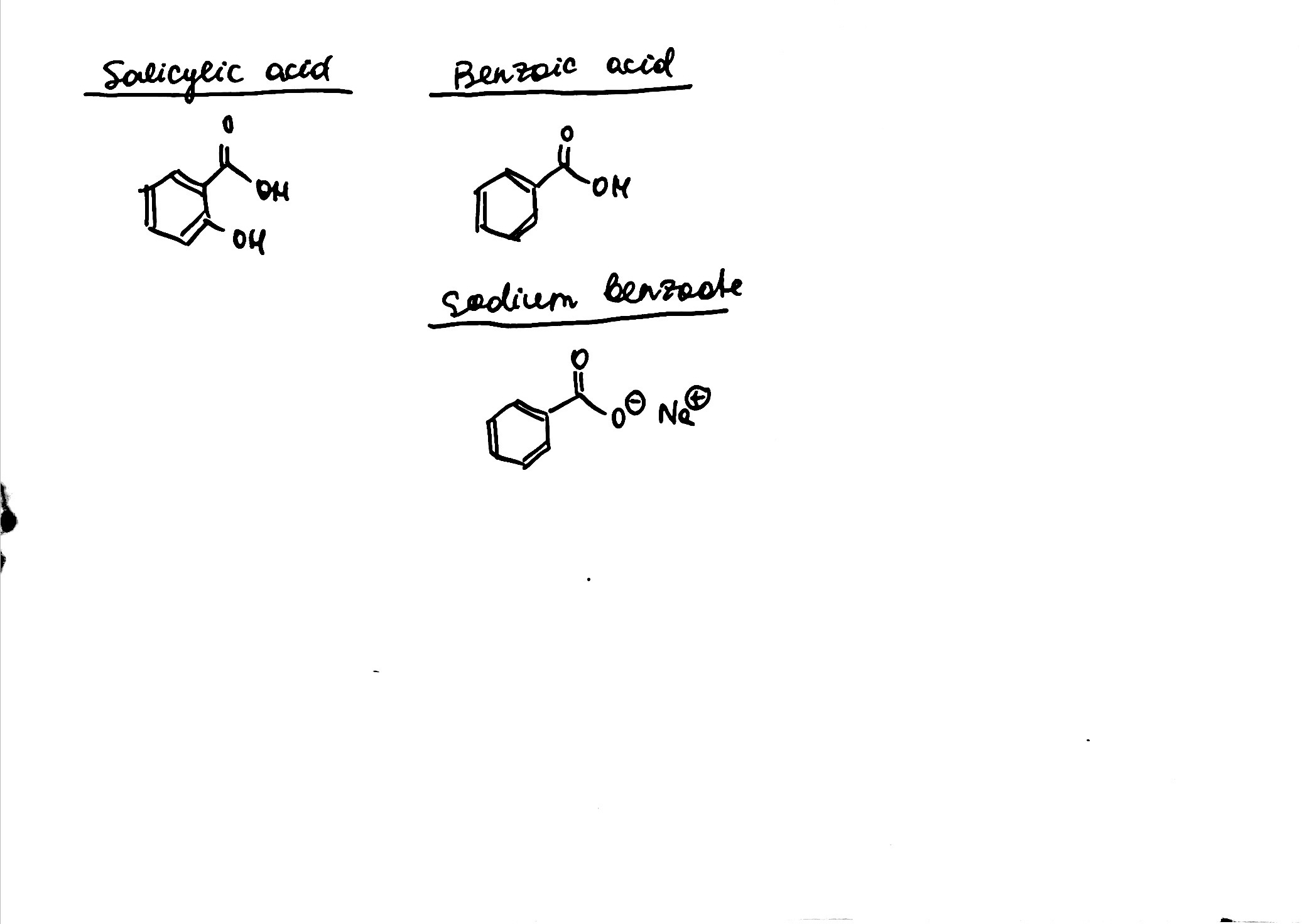
Salicylic acid was one of the first chemical preservatives used. It’s a precursor to aspirin, the pain medication, and it’s used in skincare to exfoliate dead skin cells and clear clogged pores. It was eventually replaced by safer alternatives, like sodium benzoate, an analog of salicylic acid that didn’t come with the cute risks of internal bleeding, diarrhea, or death.
Benzoic acid1 (E210) and its salt buddy, sodium benzoate (E211), have been commonly used as antibacterial and antifungal preservatives since 1875, thanks to Hugo Fleck.
1Fun fact: benzoic acid is naturally found in cranberries.
Even in 1906, when the United States established the FDA, sodium benzoate was one of the first substances the agency approved. These compounds are especially great in acidic environments, which is why they’re perfect for things like pickles, sodas, fruit juices, jams, soy sauce, and more. So how does benzoic acid work its magic?
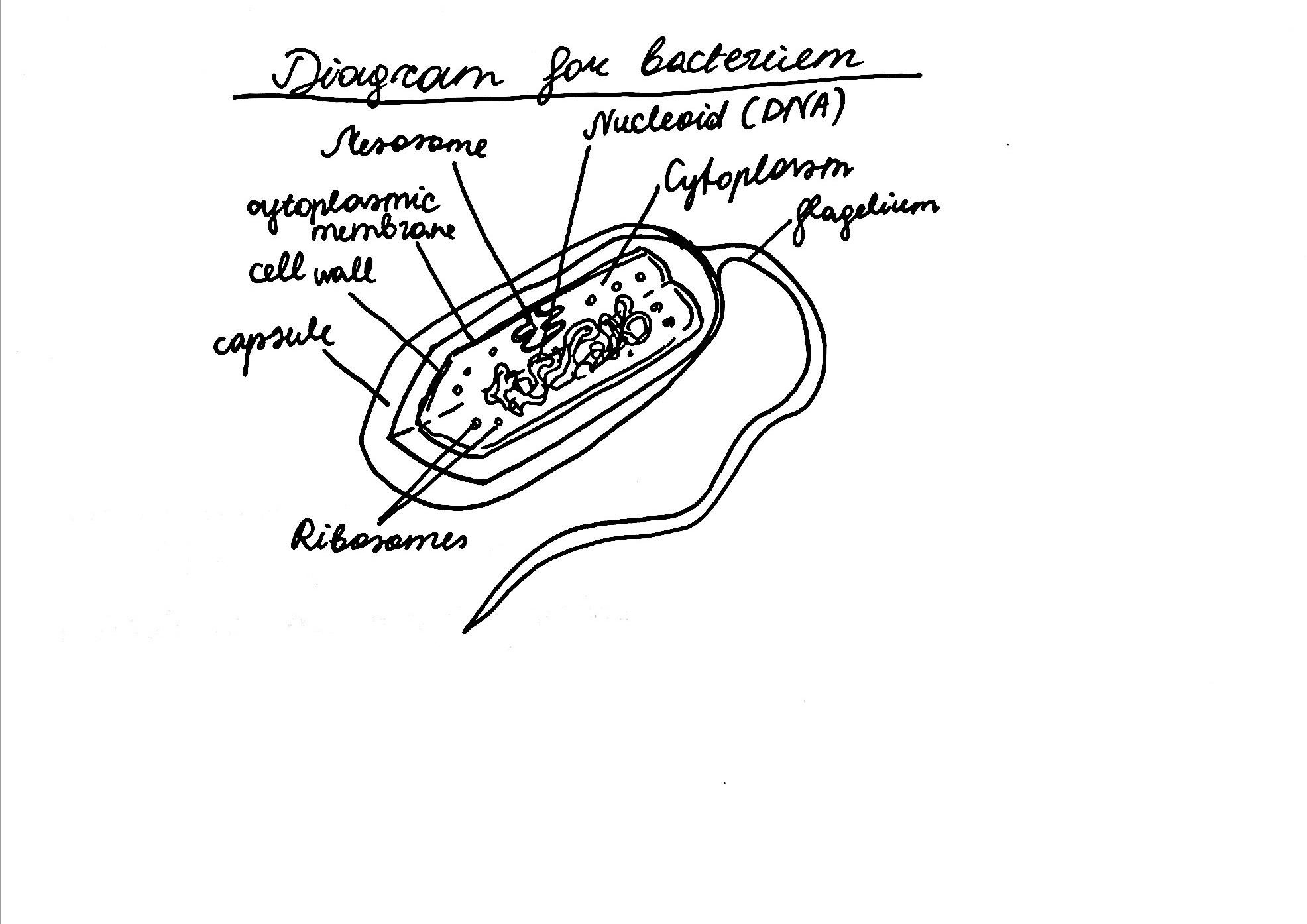
It disrupts the internal pH of microbial cells. It penetrates the cell membrane in its undissociated form, which is more lipophilic (fat-loving) and can easily pass through. Once inside, sodium benzoate inhibits phosphofructokinase (one of the main enzymes for energy production), significantly reducing anaerobic glucose fermentation (when microbes generate energy without oxygen) and hindering microbial growth and survival. It also depletes ATP (their energy currency), paralyzing their functions, weakening cell membranes, and causing structural damage.
In other words, when benzoic acid is done with it, the cell is like a phone with a shattered
screen and a dead battery that’s been accidentally flushed down the toilet—completely useless and beyond repair.
I probably don’t have to point out the obvious. All these preservation methods focus on messing with the water content in food. The more water and nutrients something has, the quicker it spoils. Microorganisms need both to survive, so take those away, and they die.
These natural preservation techniques, while effective and historically important, came with their own set of problems. They altered the taste, texture, or nutritional value of food. Too much salt, and it’s inedible. Too dry, and your fruit tastes like leather. Natural methods were also labor-intensive and not exactly practical for mass production or long-term storage. This is
where corner shops come in. Industrialization, urbanization, and global trade required not only a convenient place to buy groceries, but also food that could be preserved for longer periods, at lower cost, and that could travel better.
Salicylic acid was one of the first chemical preservatives used. It’s a precursor to aspirin, the pain medication, and it’s used in skincare to exfoliate dead skin cells and clear clogged pores. It was eventually replaced by safer alternatives, like sodium benzoate, an analog of salicylic acid that didn’t come with the cute risks of internal bleeding, diarrhea, or death.
Benzoic acid1 (E210) and its salt buddy, sodium benzoate (E211), have been commonly used as antibacterial and antifungal preservatives since 1875, thanks to Hugo Fleck.
1Fun fact: benzoic acid is naturally found in cranberries.
Even in 1906, when the United States established the FDA, sodium benzoate was one of the first substances the agency approved. These compounds are especially great in acidic environments, which is why they’re perfect for things like pickles, sodas, fruit juices, jams, soy sauce, and more. So how does benzoic acid work its magic?
It disrupts the internal pH of microbial cells. It penetrates the cell membrane in its undissociated form, which is more lipophilic (fat-loving) and can easily pass through. Once inside, sodium benzoate inhibits phosphofructokinase (one of the main enzymes for energy production), significantly reducing anaerobic glucose fermentation (when microbes generate energy without oxygen) and hindering microbial growth and survival. It also depletes ATP (their energy currency), paralyzing their functions, weakening cell membranes, and causing structural damage.
In other words, when benzoic acid is done with it, the cell is like a phone with a shattered
screen and a dead battery that’s been accidentally flushed down the toilet—completely useless and beyond repair.
Then we have nitrites. Nitrites (NO₂-) and nitrates (NO₃-) are added to processed meats like bacon, ham, and sausages to inhibit the growth of
harmful bacteria, particularly Clostridium botulinum, which causes botulism—a serious condition that affects the nervous system and can lead to paralysis and death—now known by its more infamous name: Botox. No typo here; it’s
exactly what you’re thinking (although a much more diluted and purified version, of course).
In addition to their antibacterial function, nitrites contribute to the signature pink color of cured meats by forming nitrosomyoglobin and enhancing their characteristic flavor. It’s kind of like when meat looks all gray in the packaging but turns pink or red once you open it—that’s due to the interaction between myoglobin in the meat and oxygen, forming oxymyoglobin.
Nitrates aren’t just in processed meats, though; they’re naturally found in water and veggies like spinach and lettuce. So, no need to freak out about
them—as long as you’re not going overboard and ordering 100 euros worth of McDonald’s after every night out.
Preservatives are crucial for keeping corner shops stocked with food that’s safe, long-lasting, and convenient. And so, the corner shop remains—not just a place to grab a quick snack, but a cultural microcosm where history, science, and modern life intersect, all quietly preserved in a faded, crinkled, timeworn crisp packet.
And there you have it! Preservatives—the unsung heroes! Thanks for joining me on this flavorful journey through food science—I hope you’re now a little more curious about what goes into your favorite snacks. Next time you swing by your local corner shop, you’ll know exactly what’s keeping it fresh, delicious, and thriving. x
harmful bacteria, particularly Clostridium botulinum, which causes botulism—a serious condition that affects the nervous system and can lead to paralysis and death—now known by its more infamous name: Botox. No typo here; it’s
exactly what you’re thinking (although a much more diluted and purified version, of course).
In addition to their antibacterial function, nitrites contribute to the signature pink color of cured meats by forming nitrosomyoglobin and enhancing their characteristic flavor. It’s kind of like when meat looks all gray in the packaging but turns pink or red once you open it—that’s due to the interaction between myoglobin in the meat and oxygen, forming oxymyoglobin.
Nitrates aren’t just in processed meats, though; they’re naturally found in water and veggies like spinach and lettuce. So, no need to freak out about
them—as long as you’re not going overboard and ordering 100 euros worth of McDonald’s after every night out.
Preservatives are crucial for keeping corner shops stocked with food that’s safe, long-lasting, and convenient. And so, the corner shop remains—not just a place to grab a quick snack, but a cultural microcosm where history, science, and modern life intersect, all quietly preserved in a faded, crinkled, timeworn crisp packet.
And there you have it! Preservatives—the unsung heroes! Thanks for joining me on this flavorful journey through food science—I hope you’re now a little more curious about what goes into your favorite snacks. Next time you swing by your local corner shop, you’ll know exactly what’s keeping it fresh, delicious, and thriving. x
MANY THANKS TO THE
ISSUE 3 CONTRIBUTORS
MANY THANKS TO THE
ISSUE 2 CONTRIBUTORS
KOKO FIGURA
ANNIE
VANESSA TORPEY
YVES BARTLETT & DA-JIONG DONG
MANY THANKS TO THE
ISSUE 1 CONTRIBUTORS
born out of post-sunday blues sugar hiccups and getting the memo
2024
2024